Le shop cru & vegan pour tous.tes
.png) Avis 4,8/5
Avis 4,8/5
 Prix équitables
Le shop cru & vegan pour tous.tes
Avis 4,8/5
Prix équitables
| | |
| Le shop cru & vegan pour tous.tes | Avis 4,8/5 | Prix équitables |


 0
0
Les nouveautés


Le vinaigre de cidre, ce liquide qu’on utilise le plus souvent en cuisine pour assaisonner nos salades, se révèle être bien plus que ça. Depuis des siècles, il a été considéré comme un élixir dor [...]

Depuis 20 ans, voici la recette d'alimentation vivante qu'on me réclame le plus partout où je vais en France et à l'étranger, je vous la partage aujourd'hui, il s'agit du célèbre tartare d'alg [...]

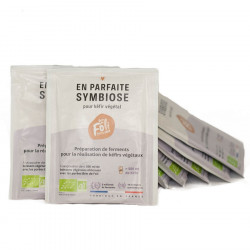
Depuis des siècles, les ferments lactiques s'avèrent avoir un rôle crucial dans la fabrication des produits laitiers fermentés, tels que le yaourt et le fromage. Très bénéfiques pour le corps, l [...]

Véritable portail de l’alimentation vivante et Bio, notre objectif est de fournir des produits de qualité, biologiques lorsque cela est possible, tout en partageant les connaissances et savoirs-faire autour de cet art de vivre. En plus d’appuyer ceux qui le pratiquent déjà, ce que l’on souhaite, c’est aussi accompagner ceux qui débutent dans cette transition, ainsi que tous ceux qui veulent savoir comment s’y prendre pour devenir crudivore à temps partiel ou à temps complet. Notre objectif est de permettre à chacun d'introduire davantage de super aliments dans son alimentation, plus de vivant et plus de végétaux.
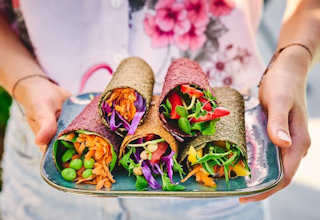
Biovie se veut être une entreprise militante au service du vivant. Notre entreprise incarne fièrement ses valeurs tout au long de sa chaîne d’activité, tout en les portant auprès du grand public.
Qualité : C'est notre priorité. La majorité des produits sont porteurs du label BIO ou respectent des procédés éthiques quand le bio n'est pas possible ou n'existe pas encore (exemple : le durian lyophilisé n'existe pas en bio)
Authenticité : Nous sommes les premiers consommateurs des produits que nous vendons et les premiers utilisateurs des appareils que nous fabriquons (comme le germoir Easygreen). C’est la garantie de proposer des articles dont les qualités auront été évaluées et vérifiées par nous même et dont nous connaissons personnellement les atouts et les faiblesses.
Traçabilité : Nous allons régulièrement à la rencontre de chacun des producteurs et des fabricants de nos produits. Nous passons plusieurs mois par an en déplacement à la rencontre de nos fournisseurs. Ainsi, nous contrôlons personnellement leur origine et leurs conditions de production, afin de vous les proposer en toute confiance, et ce, en plus de notre certification bio chez Ecocert.
Commerce équitable : En réduisant les intermédiaires, nous garantissons le tarif le plus juste, du producteur au consommateur. Lorsque nous le pouvons nous privilégions les produits français ou européens, et lorsque nous réalisons des importations, nous privilégions le commerce équitable (comme pour le souchet ou la noix de coco).
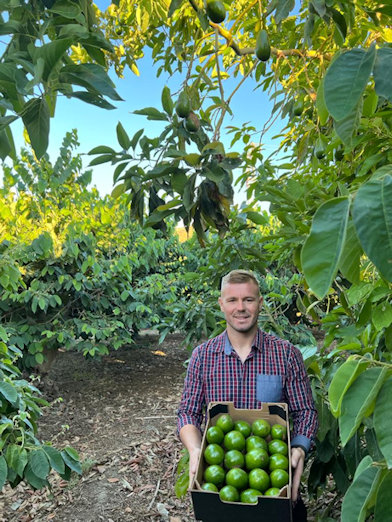
Agriculture biologique et agronomie : Eric est agronome ISTOM (agronomie tropicale). Eric a en plus choisi de travailler dans l'agriculture biologique à l'international depuis 1993 et a une expertise de terrain en zone tropicale comme en France des points faibles des filières bio qu'il s'attache à prendre en compte.
Éthique : Nous nous assurons personnellement ou à travers des programmes tiers que nos produits soient obtenus dans des conditions de travail dignes pour les employés.
Démarche éco-responsable : Nous portons une attention particulière à ce que notre activité ait le moins d’impact environnemental possible. Du mode de transport aux emballages des produits, nos choix sont guidés par le respect de l’environnement. Toutefois, certains aspects de notre activité demeurent perfectibles, comme l'utilisation de matières plastiques recyclées par exemple où nous nous heurtons à l'inexistence de plastiques biosourcés ou recyclés agrées pour le contact alimentaire. Nous veillons néanmoins à améliorer nos process et sommes réceptifs aux critiques constructives.
Écoute : C’est en restant attentifs à vos besoins que nous adaptons notre offre en permanence. Par exemple, en mettant à disposition des références sur notre boutique en fonction de vos suggestions, ou en adaptant leur volume de conditionnement selon vos remarques. Certains de nos produits nous ont été suggérés par des pédiatres, thérapeutes ou des clients. N'hésitez pas à nous faire une suggestion !
Innovation : Lorsqu’un produit demeure difficile à trouver alors qu’il existe une demande, nous n’avons pas peur de créer de nouvelles filières. Nous l’avons fait, notamment pour le juicer Juice Me Up aux fonctionnalités réellement innovantes, les noix de coco fraîches inexistantes en bio auparavant, le souchet ou encore les feuilles d’aloe vera entières que nous avons été les premiers à implanter en France.
Éditeur engagé : Pour imprimer nos livres en temps qu'éditeurs engagés, nous avons choisi depuis 15 ans l’imprimerie la plus écologique et sociale de France, Pure Impression. Elle utilise des encres végétales, fonctionne à l’énergie solaire, pratique une rémunération paritaire homme-femme et utilise des véhicules électriques.
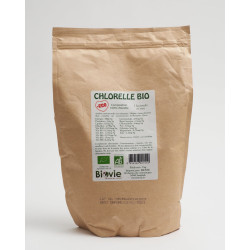
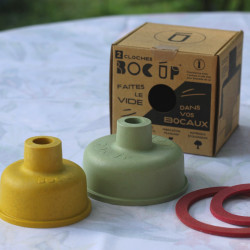
Le cœur de métier de Biovie bat depuis 15 ans autour des algues, micro algues, et des graines à germer. Nous sommes spécialisés en aliments et super aliments bio et éthiques déshydratés à basse température vendus avec le minimum d'intermédiaires dans leur forme la plus brute possible, la moins transformée possible et en gros conditionnements afin de permettre à nos clients de réaliser des économies d'échelle. Notre eau de mer est disponible en cubis de 20 litres par exemple, nos graines à germer en sacs de 5 kilos. Nous sommes concepteurs et fabricants d'appareils utilisés dans l'alimentation vivante, comme des germoirs, blenders et extracteurs de jus. Nous proposons des outils lowtech (germoir automatique sans énergie, bocup pour la mise sous vide) dans le domaine de la cuisine. Experts dans le domaine de l'alimentation vivante, nous sommes éditeurs, auteurs chez d'autres éditeurs, conférenciers, formateurs et nous intervenons aussi dans des émissions radio grand public. Biovie référence aussi des produits de qualité biologique fermentés, crus ou déshydratés à basse température.